Legacy Modernization
AI-assisted refactoring and re-platforming for legacy systems blocking your roadmap - incremental strangler-fig modernization instead of a rewrite that takes several quarters.
Entry packageLegacy Assessment & Roadmapfrom EUR 6,1001 system · up to 4 weeks from scopingWhat is includedReplace in slices, not in one bet
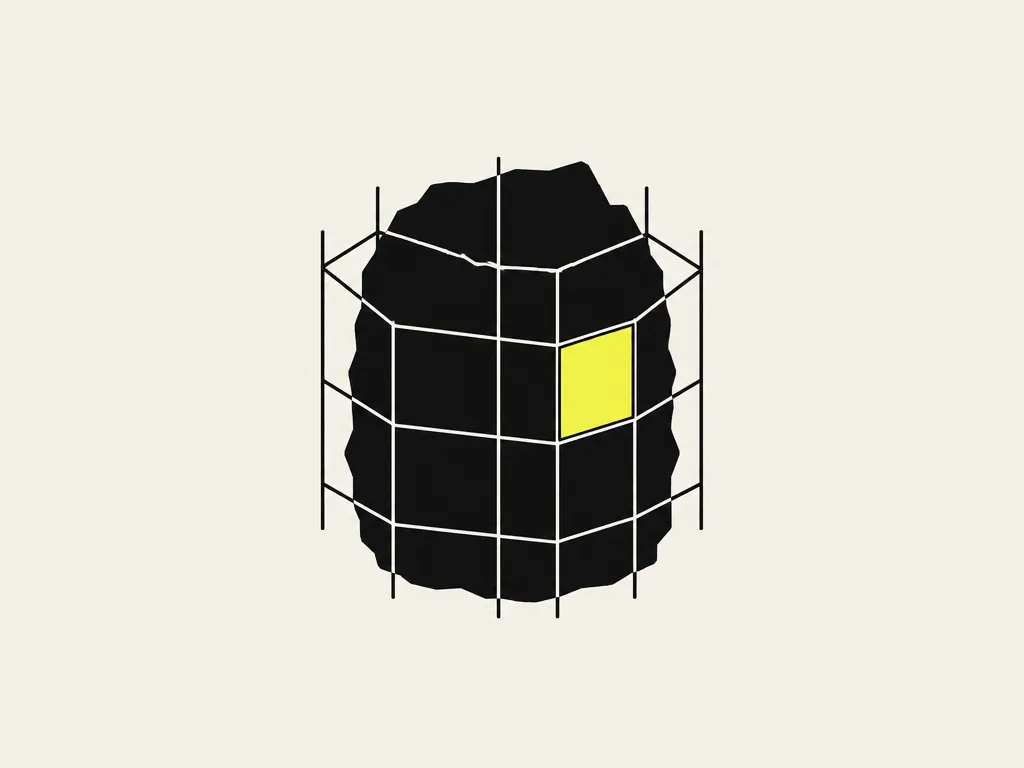
Strangler-fig boundaries let modernized components run beside the legacy until it can retire.
A budget per phase
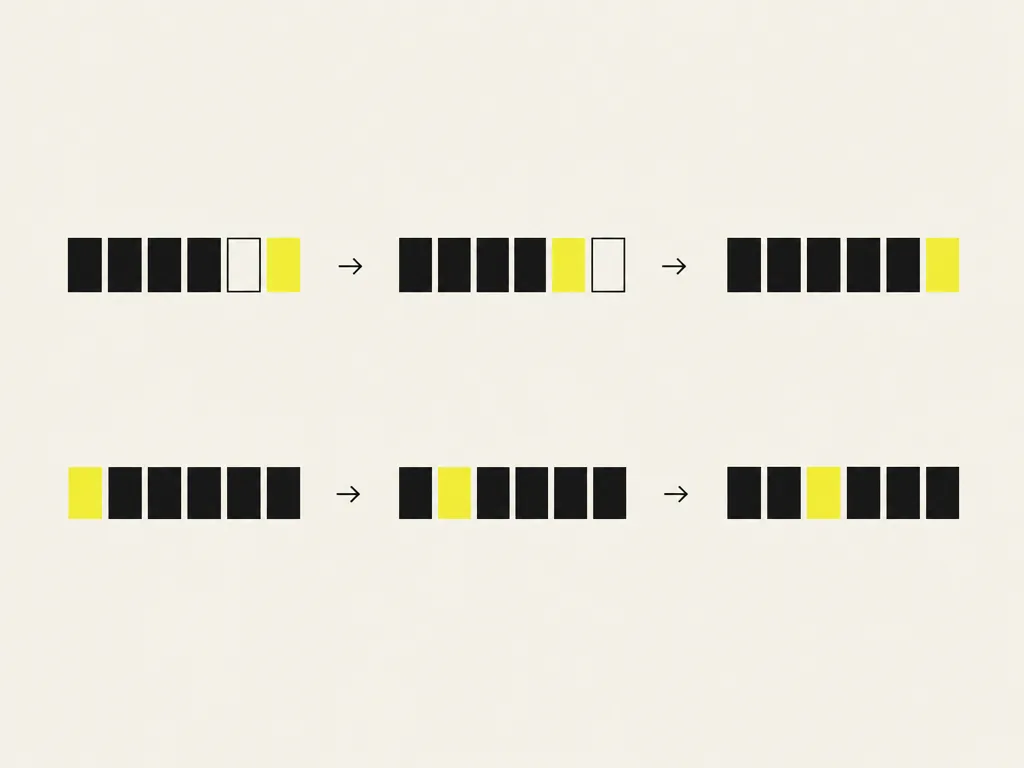
The roadmap prices each phase, so the decision to continue is made with numbers.
Tests on both sides of the seam
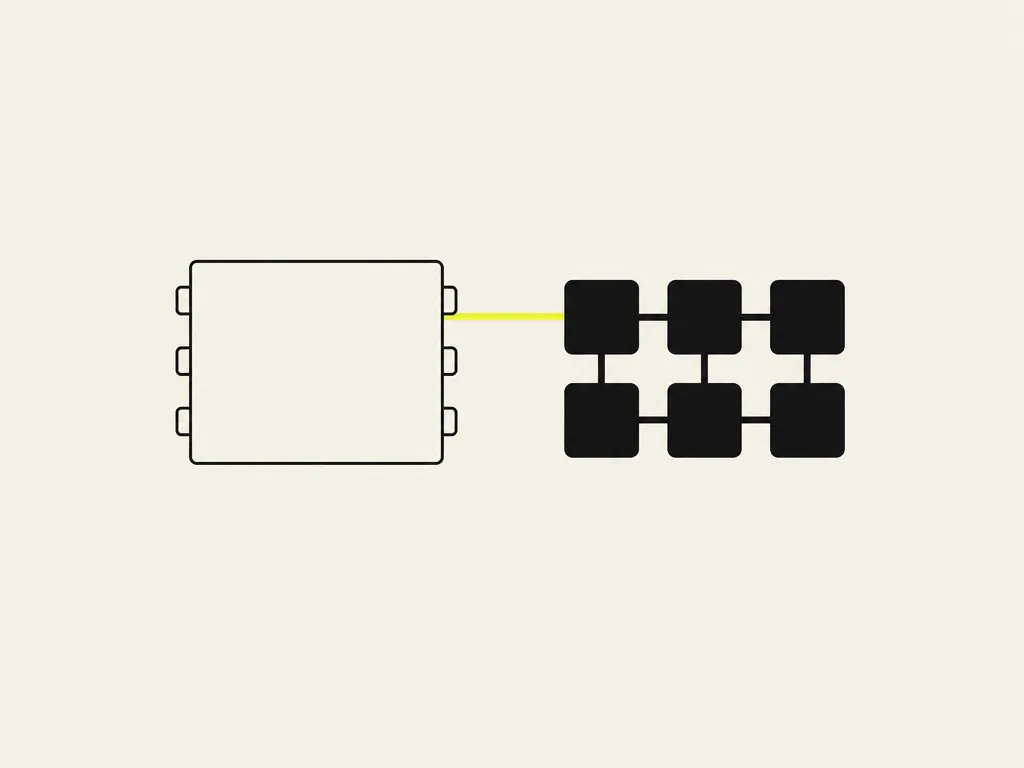
Coverage and documentation for the modernized and the legacy boundary, so nothing breaks unseen.
23Minds modernizes legacy systems blocking product roadmaps.
Show the full summary
The engagement assesses the system, identifies strangler-fig boundaries, and replaces components incrementally using AI-assisted refactoring at a fraction of full-rewrite cost. Typical engagements: PHP/Perl/older .NET monoliths, legacy Java EE, jQuery-era frontends, untyped JavaScript / legacy Python codebases. Output is a modernized system that runs alongside the legacy until the legacy can be retired safely.
What makes this service defensible.
- Assessment before any code
Architecture, dependencies and risk hotspots mapped in the first package.
- AI-assisted refactoring with human review
Every migrated component passes the same gates as new code: checks, PR, review, verification.
- Assessment and roadmap in four weeks
One system; the price is fixed once the scope is agreed, sequenced phases with a budget each.
- Knowledge transfer built in
Pair sessions and written architecture docs, so your team owns the new shape.
The process, phase by phase.

Pick the way in that fits your budget and timing.
Every practice has a free first step, an entry package with a written deliverable and its price listed here, and a full project or retainer quoted after a first call. Once the scope is agreed, the price is fixed, with no hidden costs.
- 1Step 1 · Free
Intro call or self-assessment
60 minutes · 1 engineer · no obligation
FreeTalk to an engineerShow details
- Intro call with an engineer, or the online self-assessment
- A written next step within one business day
- No obligation and no sales deck
- Recommended2Step 2 · Entry package
Legacy Assessment & Roadmap
1 system · up to 4 weeks from scoping
from EUR 6,100 netThe price is fixed once the scope is agreed on the intro call, no hidden costs; extras only from the Not included list.
Ask for this packageShow details
- Assessment of one legacy system: architecture, dependencies, risk hotspots
- Strangler-fig modernization roadmap
- Budget per phase
- Readout session with your team
- Not included: Modernization work itself, data migration, filling test gaps, legacy retirement.
- 3Step 3 · Project or retainer
Full scope, quoted after a first call
Full scope · phased delivery · quoted per phase
from EUR 28,000 net, quoted after a first callStart the conversationShow details
- Phased modernization sprints
- Components running in production alongside the legacy
- Budget and scope confirmed per phase
The situations that bring teams to this service.
- The legacy system has no tests; every change risks production
- Documentation is missing or outdated; institutional knowledge sits with one or two engineers
- A full rewrite is too expensive to fund; living with the legacy costs more each quarter
Show the other problems (1)
- Hiring is hard because new engineers do not want to maintain the old stack
- CTOs whose roadmap is blocked by a system the team is afraid to touch
- Engineering leaders facing a 'rewrite vs live with it' decision
- Mid-stage companies whose first-product codebase no longer matches the team that maintains it
- Acquirers integrating a target whose tech stack is materially older than theirs
Where this goes wrong, and what we do about it.
1. Generated tests freeze the bugs inWhat stays with you: a list of behaviours confirmed as intended and behaviours reported as defects, and a test suite carrying that split
What happensAn assistant writes tests for code that never had any, and does it quickly. The tests capture current behaviour, including the defects that have sat in it for years. The refactor passes green, and the defect is now protected by a test and has one more layer to remove.
What we do about itCharacterization tests are labelled as such. Before any refactor we go through the captured behaviours with the people who maintain the system: intended or accidental. Accidental ones get their own ticket, and the suite is split into what describes the specification and what only describes the current state.
2. The translation keeps the shape of the old codeWhat stays with you: an interface contract per replaced component, and coupling and duplication measured before and after
What happensAn assistant moving code from callbacks to async, or from PHP to TypeScript, translates idiom for idiom. The new component has a new language and the old coupling, so the modernization ends with the same monolith in a different syntax. A discussion about agents migrating COBOL put it in one line: a failure at a fifth of the price is still a failure.
What we do about itBefore we translate anything, we define the target interface of the component and translate towards it, not line by line. Coupling and duplication are measured before and after each phase, and we show the difference before a component counts as modernized.
3. The routing layer becomes the new legacyWhat stays with you: a cutover record per component with traffic share and the date the old path was deleted
What happensThe layer that sends traffic to the old or the new path is convenient, so it stays. Components get replaced, but the old path is never retired because retirement has no owner and no date, and the layer accumulates per-component exceptions. A year later the system has three versions of every function and nobody knows which one serves traffic.
What we do about itRetirement is a phase of its own with an owner and a date per component. We track the traffic share on the old and the new path, and a component counts as done only when the old path is deleted from the repository, not merely switched off.
Deliverables, not deliverable-shaped slides.
- Legacy system assessment (architecture, dependencies, risk hotspots, modernization options)
- Strangler-fig modernization roadmap with sequenced phases and budget per phase
- Modernized components running in production alongside the legacy
- Test coverage and documentation for both modernized and legacy boundaries
- Knowledge transfer to your team - pair sessions, written architecture docs
Questions procurement teams ask.
Talk to an engineer.
Describe where you are with legacy modernization. A reply within one business day.