Independent AI Code Audit
Independent audit of AI-generated and AI-assisted code - graded for correctness, security, maintainability and test fitness against an engineering rubric you read in full before you sign.
Entry packageAI Code Audit: 1 Repositoryfrom EUR 5,6001 repository · up to 4 weeks from scopingWhat is includedGraded before you sign
The four-dimension rubric and its 0-4 scale are public, so you know how the code is scored before the audit starts.
Findings you can reproduce
Every finding names the file, the line, the consequence and a fix; nothing rests on opinion.
A standard your team keeps
The scorecard and the rubric stay with you, so the same bar applies between audits.
23Minds provides an independent AI code audit for engineering teams shipping AI-assisted code.
Show the full summary
The audit samples AI-touched files or PRs from your repository, evaluates each finding against a four-dimension rubric (correctness, security, maintainability, test fitness), produces a written report with severity-ranked findings, and ends with a briefing for the team on the top issues. The rubric is public: every dimension has a written definition, named sub-criteria and a 0-4 scale, so you see how the code is graded before you buy and can apply the same standard yourself between audits. ISO 9001:2015 quality assurance backing. Fixed fee agreed once the scope is clear, up to four weeks per repository. Studies of AI-generated code point to problems worth looking for: 29.5% of the Python snippets written by coding assistants in public GitHub projects had security weaknesses (Fu et al., ACM TOSEM 2025), and 22.7% of the issues introduced by AI-authored commits in 6,299 repositories were still in the latest version (Liu et al., 2026).
What makes this service defensible.
- Rubric published in full
Four dimensions, named sub-criteria, a 0-4 scale, all readable on this site before the first call.
- Precision reported next to recall
The report counts how many findings a maintainer accepted, not how many were raised.
- Price set before work starts
One repository; the price is fixed once the scope is agreed, with no hidden costs, up to four weeks from approval.
- ISO 9001:2015 quality system
Certified by DNV, no. 10000439701-MSC-RvA-POL; the audit runs as a documented procedure.
The process, phase by phase.

Pick the way in that fits your budget and timing.
Every practice has a free first step, an entry package with a written deliverable and its price listed here, and a full project or retainer quoted after a first call. Once the scope is agreed, the price is fixed, with no hidden costs.
- 1Step 1 · Free
Intro call or self-assessment
60 minutes · 1 engineer · no obligation
FreeTalk to an engineerShow details
- Intro call with an engineer, or the online self-assessment
- A written next step within one business day
- No obligation and no sales deck
- Recommended2Step 2 · Entry package
AI Code Audit: 1 Repository
1 repository · up to 4 weeks from scoping
from EUR 5,600 netThe price is fixed once the scope is agreed on the intro call, no hidden costs; extras only from the Not included list.
Ask for this packageShow details
- Independent audit of one repository, sampled by risk
- Correctness, security, maintainability and test quality of AI-assisted code
- Written report with severity-ranked findings
- Readout session with your engineers
- Not included: Fix implementation, penetration testing, infrastructure audit, further repositories, post-remediation retest.
- 3Step 3 · Project or retainer
Full scope, quoted after a first call
Full scope · phased delivery · quoted per phase
from EUR 18,700 net, quoted after a first callStart the conversationShow details
- Platform-wide audit across multiple repositories
- Quality gates wired into CI
- Re-review after the fixes land
The situations that bring teams to this service.
- AI-generated code lands faster than humans can review it thoroughly
- Compliance asks for proof AI-assisted code meets the same bar as human code
- Audit findings arrive as opinions with no stated method, so nobody can repeat or contest them
Show the other problems (2)
- Test coverage drops because AI tools generate plausible-looking but unverified code
- Security teams cannot tell where AI contributions concentrate in the codebase
- VPs of engineering and CTOs needing an external assurance signal on AI-assisted code
- CISOs whose teams ship AI-generated code into regulated production systems
- Vendor management teams reviewing AI-touched deliverables from contractors
- Compliance officers required to demonstrate code review depth at audit
Where this goes wrong, and what we do about it.
1. The tool reports everything and decides nothingWhat stays with you: per-dimension scorecard on the published 0-4 scale, plus the discarded findings with the reason each was dropped
What happensAI review tools optimise for recall, so they flag style, restate what the diff already says, and comment on files the pull request never touched. Practitioners report the same three complaints every time: too verbose, reviews things outside the change, and states wrong findings confidently. The team stops reading after a week, so a tool bought to raise the bar quietly lowers it.
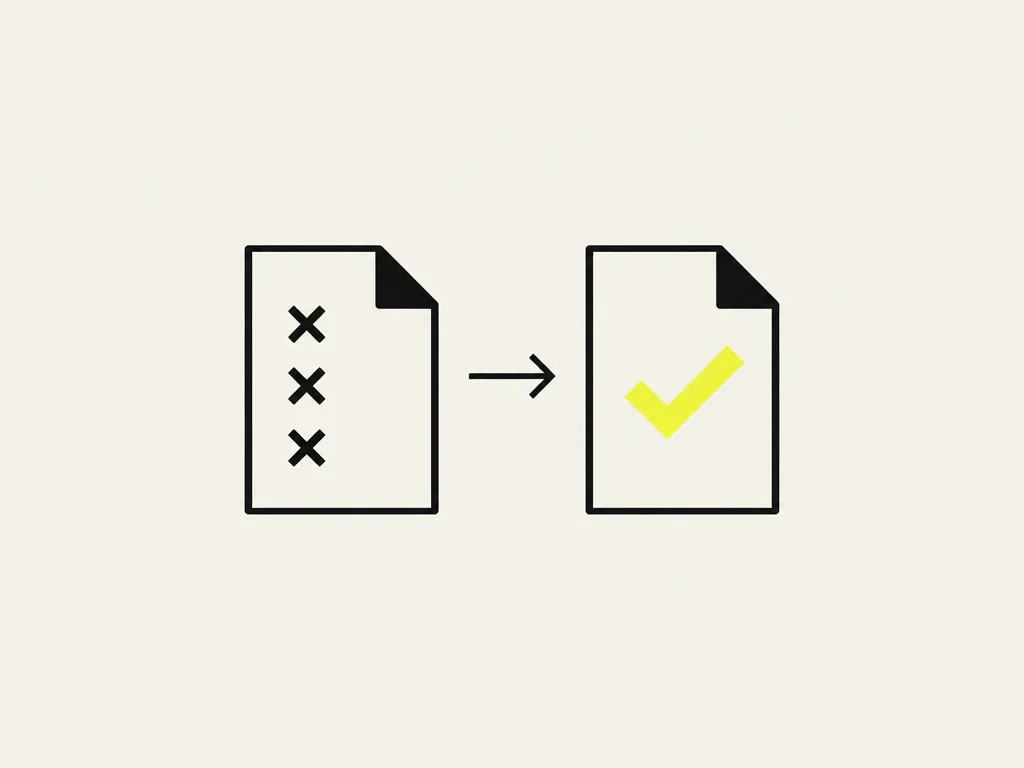
What we do about itWe score against criteria published before the engagement starts, and we report precision next to recall: how many findings a maintainer accepted, not how many we raised. Every finding names the file, the line and the consequence. Anything we cannot defend in review is dropped before delivery, and we list what we dropped.
2. Volume outgrows review capacityWhat stays with you: risk-ranked file map, duplication and reuse baseline, and an explicit list of what was out of scope
What happensCode arrives faster than anyone can read it, so review turns into approval. The measured pattern is consistent: refactored code falls, copy-paste rises, duplicated blocks grow. Nothing looks broken on the day it merges. The cost shows up months later as changes that take longer than they used to, and by then nobody can point at the commit that caused it.
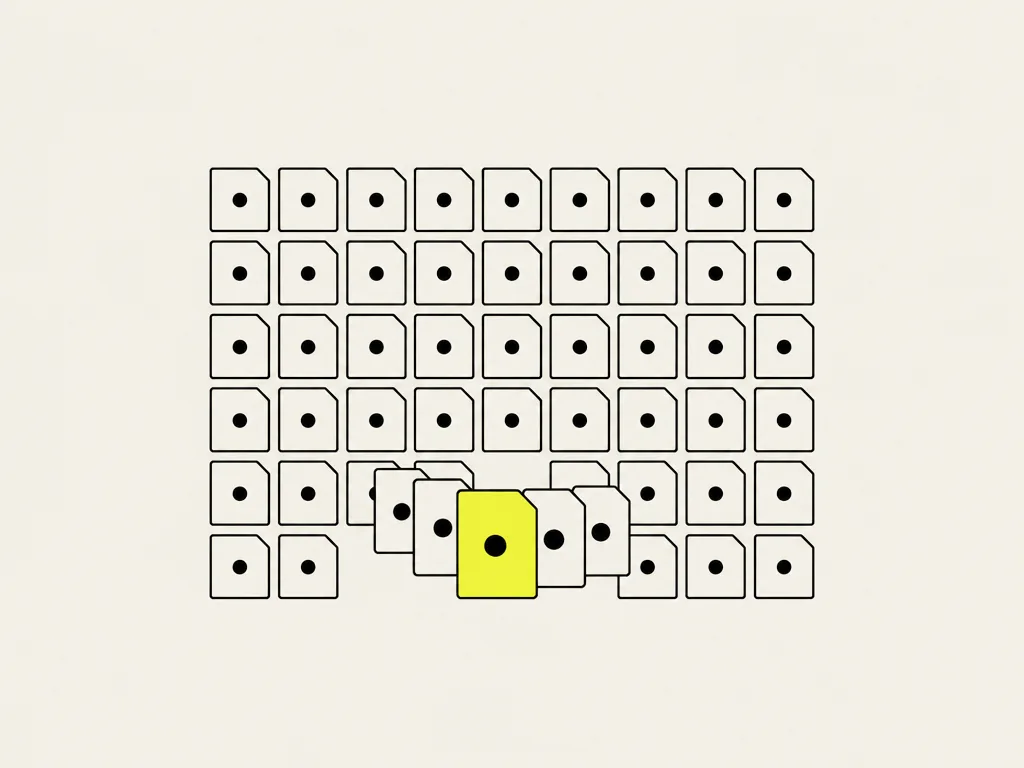
What we do about itWe sample by risk rather than by volume: the paths that carry money, auth and personal data get read line by line, the rest gets pattern checks. We measure duplication and cross-file reuse at the start so the second audit has a baseline, and we say plainly which parts we did not read.
3. Nobody signs for where the code came fromWhat stays with you: written contribution policy, a pull request template that carries it, and evidence it held on ten real merges
What happensA pull request contains work from an assistant, a contractor and a maintainer, and the commit history shows one author. When a client's security questionnaire asks who is accountable for the change, the honest answer is that nobody wrote it down. The largest open discussion of 2026 on this ended without a conclusion, which is exactly why buyers now ask.
What we do about itWe check whether provenance is recorded at all, propose a marking convention that survives rebases and squashes, and test it on real pull requests rather than on a policy document. We do not require disclosure of which tool was used, only that a named human accepts the change.
Deliverables, not deliverable-shaped slides.
- Written audit report (structured PDF, ~30-60 pages depending on scope)
- Per-dimension scorecard on the published 0-4 scale, with the anchor behind each score and the weighting agreed for your context
- Severity-ranked finding list (Critical / High / Medium / Low) with reproductions
- Per-finding recommended fix with code snippets and links to offending lines
- Prioritized issue-tracker entries (Linear, Jira, GitHub Issues - your choice)
- Executive briefing presentation with top issues and remediation roadmap
Questions procurement teams ask.
Where the dates and numbers come from.
- Fu et al., Security Weaknesses of Copilot-Generated Code in GitHub Projects, arXiv 2310.02059 (ACM TOSEM 2025)
- Spracklen et al., We Have a Package for You! Package hallucinations by code-generating LLMs, arXiv 2406.10279 (USENIX Security 2025)
- Liu et al., Debt Behind the AI Boom: A Large-Scale Empirical Study of AI-Generated Code in the Wild, arXiv 2603.28592 (2026)
- Borg et al., Echoes of AI: Investigating the Downstream Effects of AI Assistants on Software Maintainability, arXiv 2507.00788 (ICSME 2025)
Talk to an engineer.
Describe where you are with independent AI code audit. A reply within one business day.