Production Readiness
Pre-release production readiness review for AI-touched systems - observability, runbooks, rollback paths and on-call signals checked against a structured rubric before the system goes live.
Fixed-price entry packageProduction Readiness ScorecardEUR 3,7001 system · up to 3 weeks from scopingWhat is includedSign-off with evidence
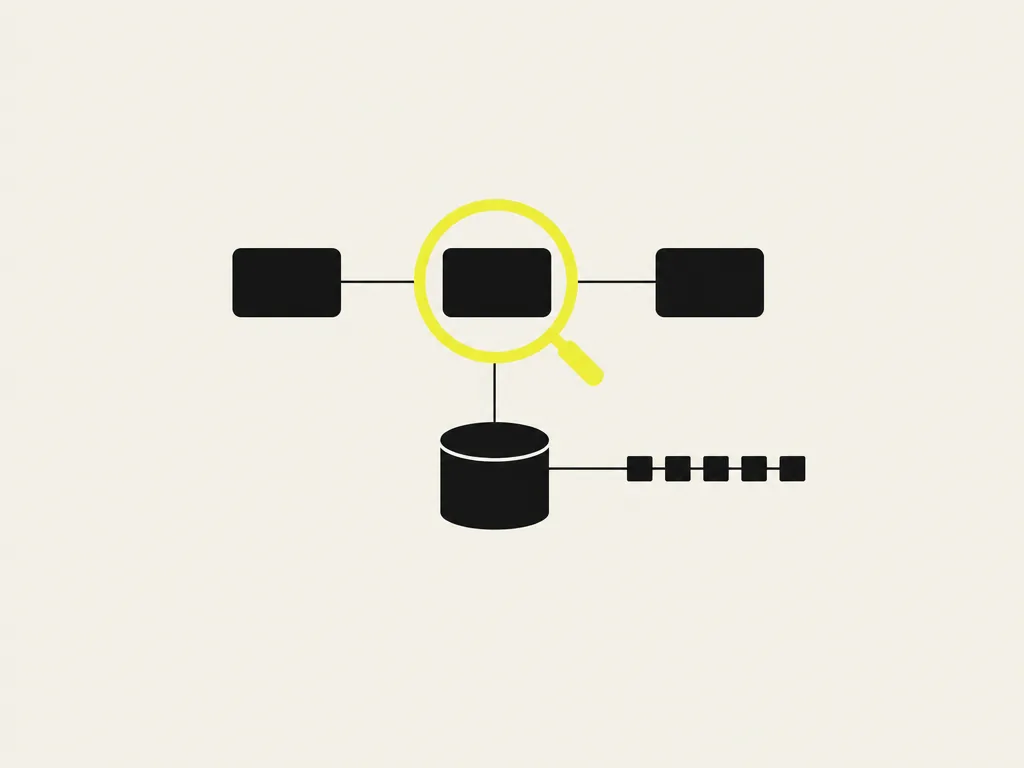
A scored rubric across 10-15 dimensions gives SRE and leadership something to sign, not a feeling.
Runbooks the on-call team tested
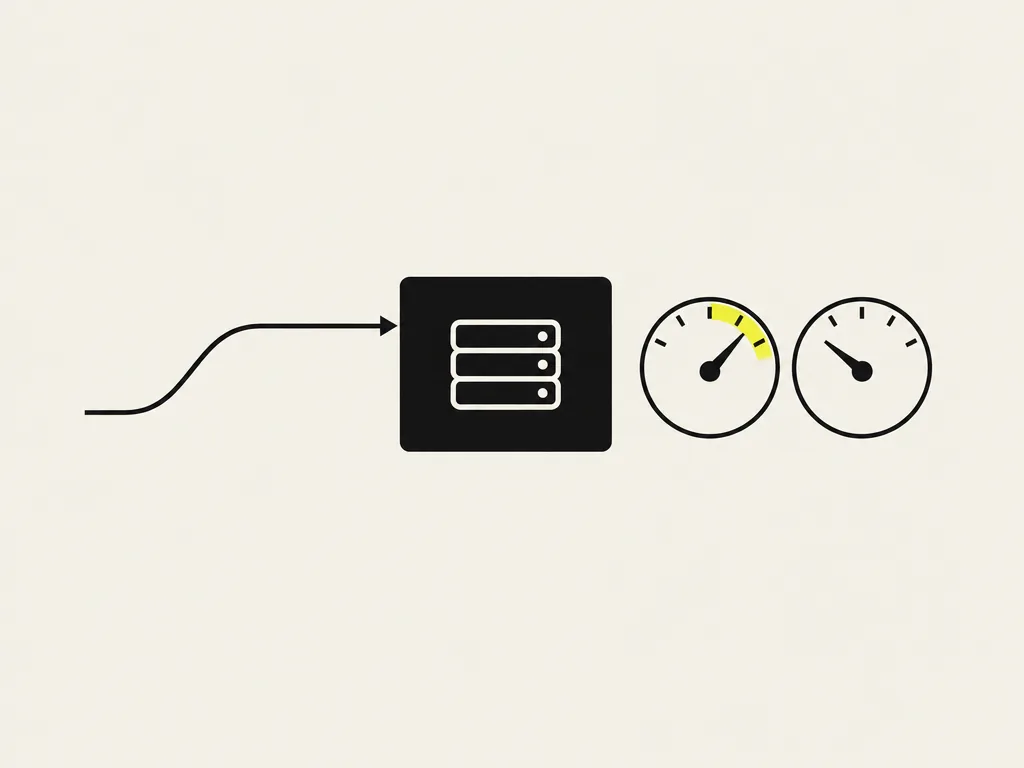
Templates exercised with the people who will be paged, before the first incident.
Rollback proven on staging
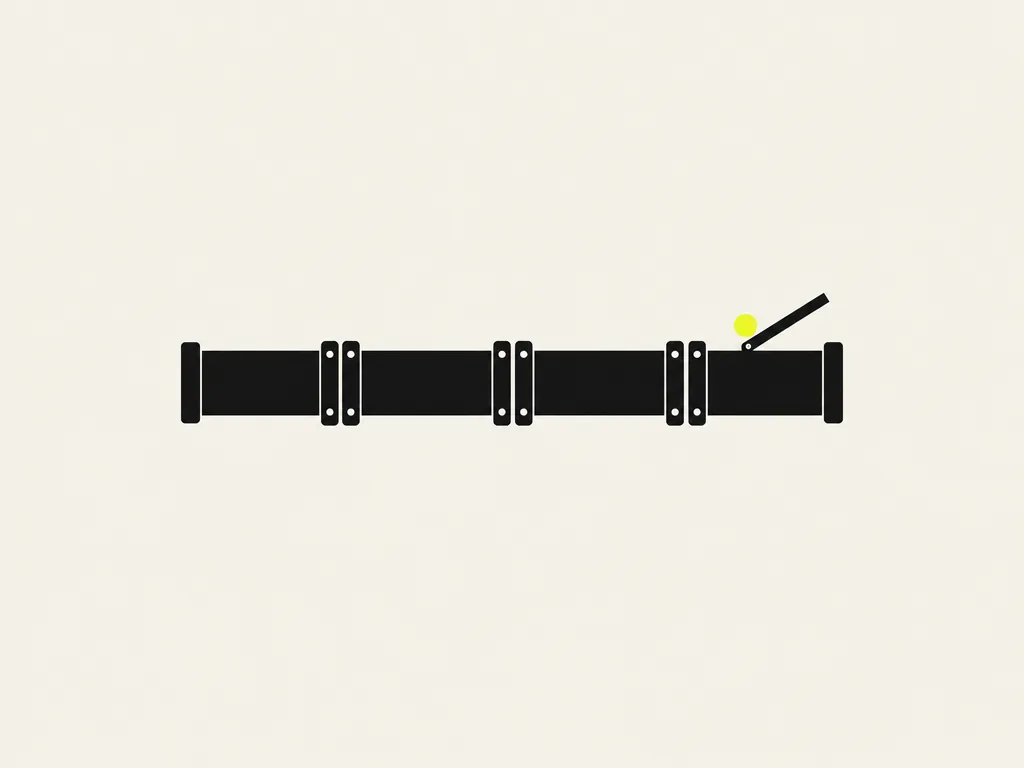
The rollback path is run as a dry-run, so the first real use is not the first use.
23Minds runs production readiness reviews for AI-touched systems before they ship to customers.
Show the full summary
The review scores the system against a structured rubric - observability and tracing coverage, runbook quality, rollback paths, on-call alerting, capacity headroom, cost monitoring, dependency failure modes - and ends in a written certification with remediation requirements. The output is what SRE and platform teams need to sign off, and what leadership needs to defend the release at the post-mortem if something goes wrong.
What makes this service defensible.
- Pass / Partial / Fail per dimension
Observability, runbooks, rollback, alerting, capacity, cost, dependencies: each scored in writing.
- Written certification statement
A document leadership can put in front of the post-mortem if something goes wrong.
- Fixed price per system
One system, two to three weeks, remediation requirements included.
- Rescore after remediation
A second scoring after the fixes shows the delta, on the same rubric.
The process, phase by phase.

Pick the way in that fits your budget and timing.
Every practice has a free first step, an entry package with a written deliverable and its price listed here, and a full project or retainer quoted after a first call. Once the scope is agreed, the price is fixed, with no hidden costs.
- 1Step 1 · Free
Intro call or self-assessment
60 minutes · 1 engineer · no obligation
FreeTalk to an engineerShow details
- Intro call with an engineer, or the online self-assessment
- A written next step within one business day
- No obligation and no sales deck
- Recommended2Step 2 · Fixed price
Production Readiness Scorecard
1 system · up to 3 weeks from scoping
EUR 3,700 netFixed price, no hidden costs; extras only from the Not included list.
Ask for this packageShow details
- Assessment of one system across 10-15 dimensions
- Written certification statement
- Remediation requirements ranked by severity
- Runbook templates
- Not included: Implementing the recommendations, observability setup, post-remediation re-review, load testing.
- 3Step 3 · Project or retainer
Full scope, quoted after a first call
Full scope · phased delivery · quoted per phase
from EUR 18,700 net, quoted after a first callStart the conversationShow details
- Organization-wide quality gate program
- Recurring release certification
- Runbooks maintained per system
The situations that bring teams to this service.
- AI features launch with no observability - debugging in production is guesswork
- Runbooks for the new system are missing or untested
- Rollback path was never exercised; production fires turn into multi-hour outages
Show the other problems (1)
- Cost monitoring is missing; the first month's LLM bill is a shock
- VPs of engineering signing off the launch of a new AI feature
- Heads of SRE/platform asked to take an AI system on call
- CTOs of growth-stage companies launching their first LLM-backed product
- PMs whose launch depends on engineering and SRE both saying yes
Where this goes wrong, and what we do about it.
1. It worked in development and nothing worked in productionWhat stays with you: readiness scorecard scored Pass, Partial or Fail per dimension, with the evidence behind each score
What happensA build that behaves on a laptop meets real traffic, real data shapes and real third-party latency, and fails in ways the development environment never exercised. The pattern is common enough to be a genre of postmortem: money spent, everything green locally, nothing green once users arrive.
What we do about itWe check the things that only appear under load and failure: timeouts and retries, what happens when a dependency is slow rather than down, memory under sustained traffic, and whether the rollback path has ever actually been run.
2. Nobody has rehearsed getting backWhat stays with you: timed rollback rehearsal with its result, and a written recovery path for the cases where rollback is not available
What happensRollback exists as a paragraph in a document. It has never been executed against a database that changed shape since deployment, so the first rehearsal happens during an incident, with an audience.
What we do about itWe run the rollback on a copy of production data and time it. Where a migration makes rollback impossible, we say so plainly and design the forward fix instead of pretending the path exists.
3. Alerts exist and nobody is on the other endWhat stays with you: alert-to-action map with named owners, and the list of alerts we removed because nothing followed them
What happensMonitoring is installed, dashboards look complete, and the alert routes to a channel nobody watches at two in the morning. The system is observable and unattended, which is indistinguishable from unmonitored at the moment it matters.
What we do about itWe trace each alert to a person and an action: who receives it, what they are expected to do, and what happens if they do not answer. Alerts with no action attached get deleted rather than tuned.
Deliverables, not deliverable-shaped slides.
- Production readiness scorecard (10-15 dimensions, scored Pass / Partial / Fail)
- Written certification statement with remediation requirements (if needed)
- Runbook templates for the new system, tested with the on-call team
- Rollback procedure documentation, exercised against a staging dry-run
- Cost and capacity monitoring configuration recommendations
Questions procurement teams ask.
Talk to an engineer.
Describe where you are with production readiness. A reply within one business day.